Why Gut Health Matters: Signs, Causes & How to Improve Your Gut in 2025

Gut health used to be one of those things most of us didn’t think about until something went wrong. You know the drill, bloating that makes your stomach appear, two times bigger, stomach rumbling with its annoying sounds or that constant heaviness that makes you wonder if your body’s trying to send you a message.
Well, it is. And while all these can be sometimes normal, constant occurrence can be signaling an underlying medical condition. The message is simple:
Your Gut Matters More Than You Think
Not only for good digestion, a healthy gut affects your mood, energy, sleep and even the immune system. And the wild part? Most of us have no idea what’s really going on in there.
Let’s break it down including why your gut health is important, symptoms and causes of poor gut health and how to improve it.
Also read: Home workouts vs Gym: What works better in 2025?
Why Does Gut Health Matter So Much?
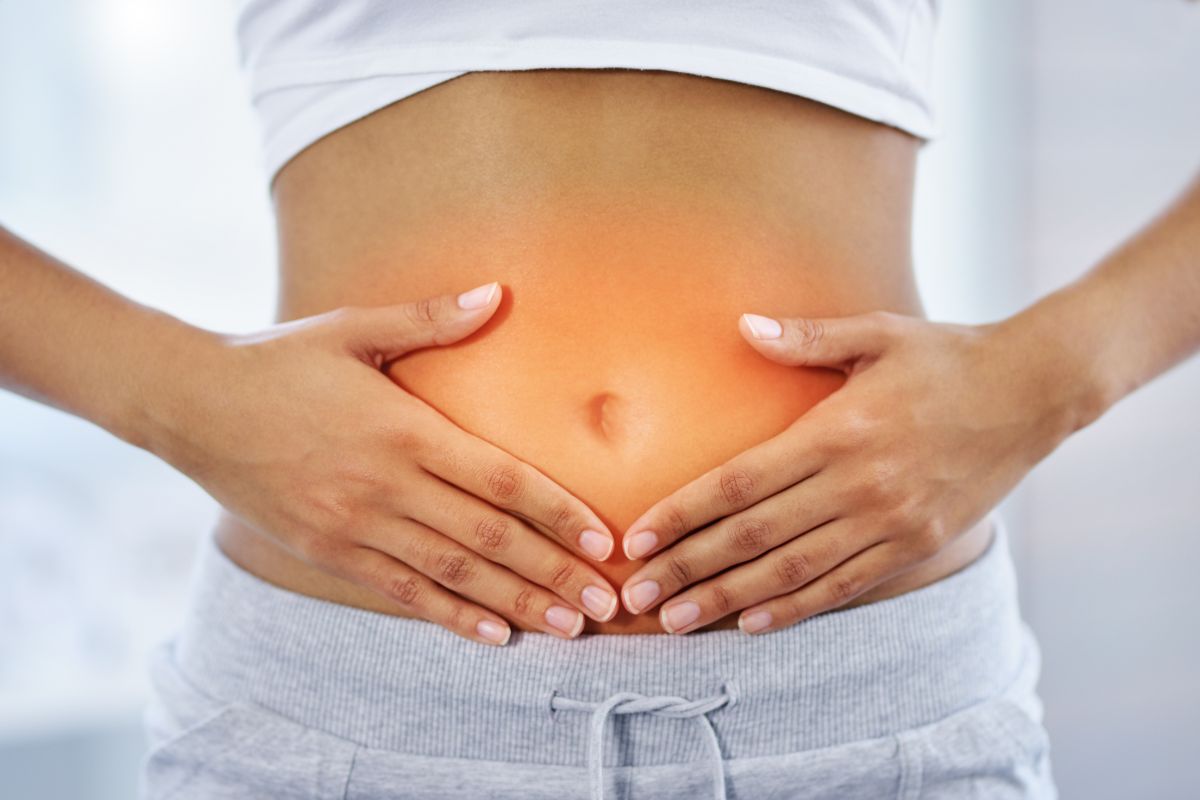
Your gut contains millions of tiny organisms living inside you, bacteria, fungi, microbes, all working together for optimized health. This community is called your gut microbiome, and it influences almost everything.
The gut covers all the parts of your body that includes the food intake, to processing of the food for nutrients, then to outputs. These are the mouth, esophagus, stomach, the small intestine, pancreas colon, anal canal.
But when we are talking about gut health, we are referring to the gut microbiome that helps in breaking down food and turning them into nutrients that the body needs. Here are the importance of healthy gut health:
It Shapes Your Digestion
A healthy gut helps your body break down food, absorb nutrients, and keep your body in gold shape. When the gut health is tampered with, food digestion can be a problem.
It Talks to Your Brain
There’s like a nerve, the vagus nerve that links your brain and gut. When your gut is inflamed, your brain feels it. That’s why people call the gut our “second brain.”
Ever felt butterflies when you’re nervous? Or a stomach drop when something shocks you? That’s the gut-brain connection at work.
It Powers Your Immune System
About 70% of your immune cells live in your gut. So when your gut is healthy, your immune system is stronger, calmer, and less reactive. But when things go sideways? You might get sick easily, feel inflamed, or constantly tired.
It Affects Your Mood
Your gut produces a big chunk of your body’s serotonin, the “feel-good” hormone. When your gut is balanced, your mind feels clearer, lighter, more stable. When it’s not? Anxiety, stress, mood swings come knocking.
What Does a Healthy Gut Actually Look Like?
When you have a healthy gut health, you’ll often notice:
- Regular, comfortable digestion
- Minimal bloating
- Good energy levels
- Healthy-looking skin
- Mood stability
- Stronger immunity
- A lighter, “everything feels fine” kind of feeling
Signs and Symptoms of Poor Gut Health
Many walk around with gut health issues without even knowing. Here are the symptoms to watch out for:
- Constant bloating or gas
- Heartburn or acid reflux
- Irregular bowel movements (constipation, diarrhea, or both)
- Unexplained fatigue
- Brain fog
- Mood swings or anxiety
- Skin issues like acne, eczema, or flare-ups
- Food sensitivities
- Sugar cravings (often a sign of imbalanced gut bacteria)
Common Causes of Poor Gut Health
Here’s the truth: it’s not always your fault. Life today makes gut issues incredibly common.

1. Stress
Your gut feels everything your mind feels. Stress slows digestion, increases inflammation, and throws your gut bacteria off balance.
2. Processed Foods
Your gut bacteria hate them. They cause disruption, inflammation, and can even interfere with the good bacteria.
3. Too Many Antibiotics
Antibiotics absolutely save lives. But they also wipe out good bacteria along with harmful ones.
4. Lack of Variety in Your Diet
Your gut needs a wide range of fiber and nutrients. Eating the same thing every day limits your microbiome.
5. Poor Sleep
Your gut and brain repair themselves at night. When you don’t sleep, everything inside you gets “off.”
6. Artificial Sweeteners
Many mess with your gut bacteria and can affect digestion.
7. Alcohol
Especially in excess. It irritates the gut lining and disrupts bacteria.
The busy routines, quick meals,stress, your gut quietly absorbs it all.
How to Improve Gut Health
To improve yourA few lifestyle and diet changes can improve your gut health over time. Here are simple ways to go about it:
1. Eat whole foods
Your gut loves fiber including fruits, vegetables, beans, whole grains. Think colorful plates. Your gut thrives on variety.
2. Add fermented foods
Things like yogurt, kefir, sauerkraut, kimchi, kombucha. They add natural probiotics that can do your gut health some good.
3. Drink more water
Your gut needs hydration to keep things moving and balanced.
4. Manage stress
Deep breaths, quick walks or five minutes of quiet, these small consistent efforts can make your gut feels the difference.
5. Sleep
Aim for 7–9 hours daily and your gut repairs itself while you rest.
6. Cut back on Processed Foods
Not eliminate, just reduce. Your gut will thank you.
7. Move Your Body Daily
Doesn’t have to be intense. Walking alone improves digestion and gut activity.
8. Listen to Your Body
This one’s underrated. Your gut often tells you what it loves and hates.
Other Important Things to Know
Gut Health Takes Time
You won’t feel transformed overnight. Gut health improves gradually, quietly, and you will just realize one day that you feel lighter.
Your Emotions Affect Your Gut
If life feels heavy, your gut feels heavy. Take care of both.
Your Gut Affects Your Entire Life
From your energy, to confidence to clarity, your guts affects every part of you.
Also read: What NVIDIA’S Report Earnings Means For Tesla and Robotaxis
Final Thoughts
Your gut is more than a digestive system. It’s like a warning alarm, balance-keeper and a guide for your health from the inside out. And the truth is, you deserve a body that feels good. Not bloated nor sluggish. Everything starts with your gut.