Dandelion Tea Benefits and Risks: What Happens When You Drink It Regularly?
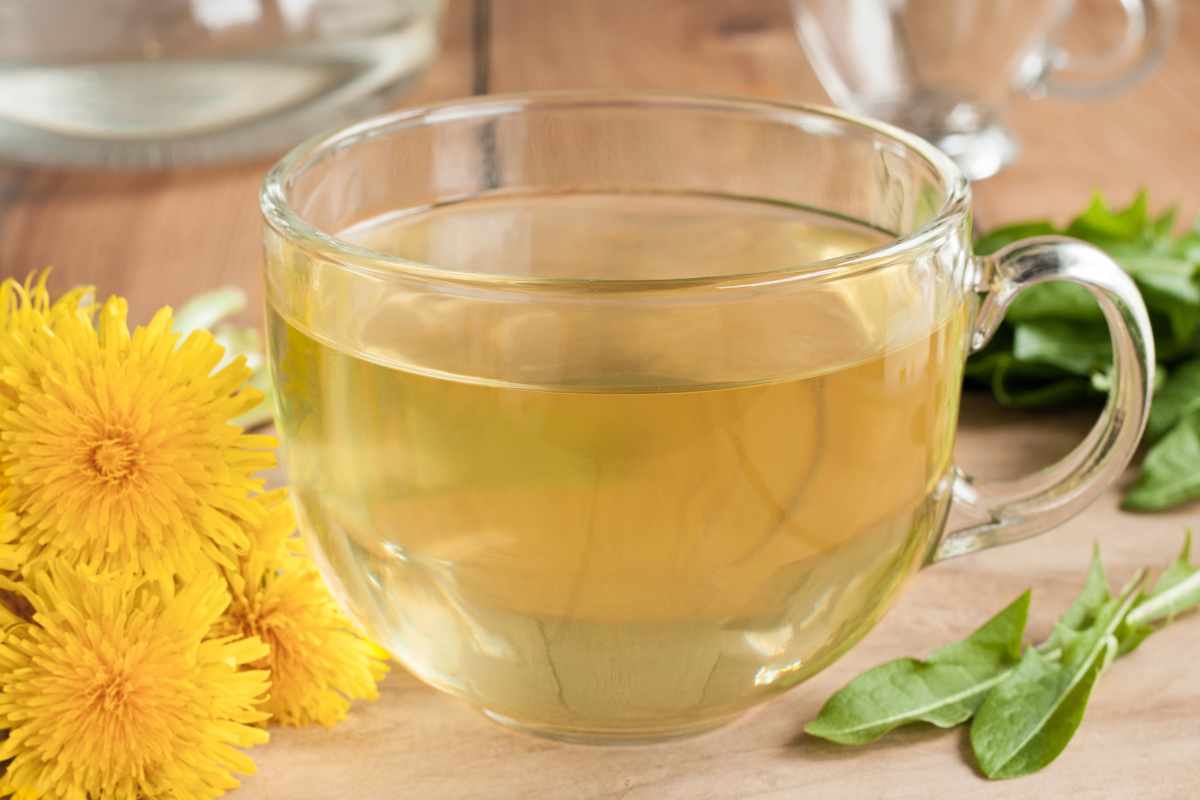
Dandelion tea isn’t new. It has been around for centuries, and even traditional medicine recognises its health benefits long before health gurus or wellness experts.
What is new is the surge of interest around it. With over 60% of adults now drinking herbal tea regularly and dandelions ranking high amidst the pack, many are now recognizing its importance for health. From the roots to the leaves to the flowers, dandelion tea is said to offer numerous benefits. There are even those that are roasted like coffee, and some can be found as supplements. The good thing is they grow in many parts of the world.
The question is, is dandelion tea worth the hype? What benefits does it offer? Keep reading as we delve into everything you need to know about dandelion tea.
What Is Dandelion Tea?
Dandelion tea comes from different parts of the dandelion plants, and each comes with its benefits. It includes:
- Leaves
- Flowers
- Roots
- Stem
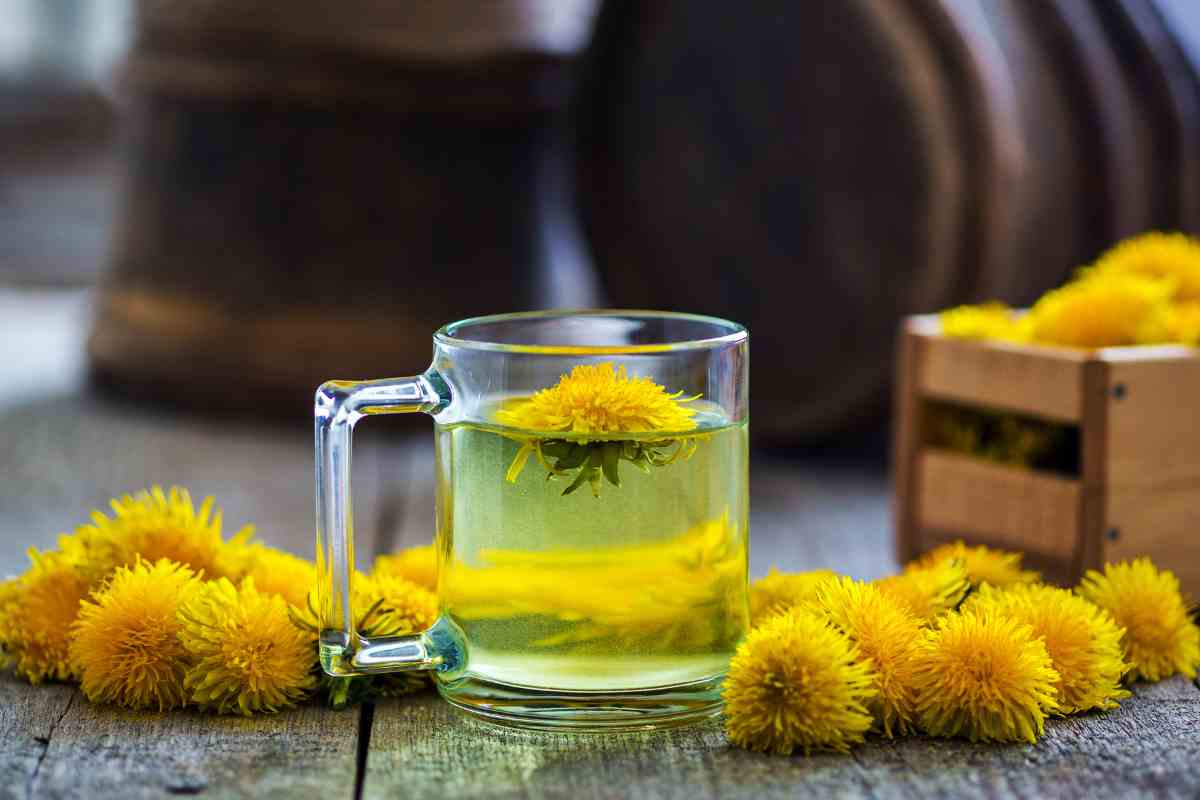
However, when people talk about dandelion tea benefits, they’re usually referring to leaf tea or root tea. The stem is very bitter, and many hardly use it for tea.
Also read: Henry Olyphant: Growing Up Quietly in a Family the World Recognizes
Dandelion Tea Benefits for Overall Health
Dandelion tea is loaded with vitamins and minerals, providing health benefits such as :
1. Supports Healthy Digestion
Dandelion tea is naturally bitter. And that bitterness matters. Bitters stimulate digestive juices. Saliva. Stomach acid. Bile.
This means food breaks down more smoothly. Bloating eases. That heavy, uncomfortable feeling after meals? Less likely to hang around.
Some people even say it helps when digestion is slow.
2. Dandelion Tea and Liver Health
This is the benefit most people search for and for good reason.
Dandelion root tea has traditionally been used to support liver function and bile health. Various studies boast that it can help the liver to process fats and toxins more efficiently
It is important to know that dandelion tea doesn’t “detox” your liver. Your liver already does that.
3. Natural Diuretic Without Potassium Loss
Dandelion tea is like a mild diuretic, which means it helps the body release water without having to worry about potassium loss. In fact, dandelion is a good source of potassium as well.
Meaning it helps the body release excess water.
This can help with:
- Water retention
- Puffiness
- Temporary bloating
4. Rich in Antioxidants
Dandelion contains antioxidants such as beta carotene, which has been proven by research to protect cells from damage. The flower also boasts of antioxidants such as flavonoids and polyphenols.
With these, there is:
- Reduce inflammation
- Protect cells from damage
- Support long-term wellness
Dandelion Root Tea Effects: Why the Root Is Different
Dandelion root tea is stronger than leaf tea.
It’s commonly used for:
- Liver and gallbladder support
- Blood sugar balance
- Boosts Digestion
Dandelion Roasted Root Tea Benefits
Roast the root, and the flavor turns:
- Nutty
- Rich
- Almost chocolatey
- Very coffee-like
But without caffeine.
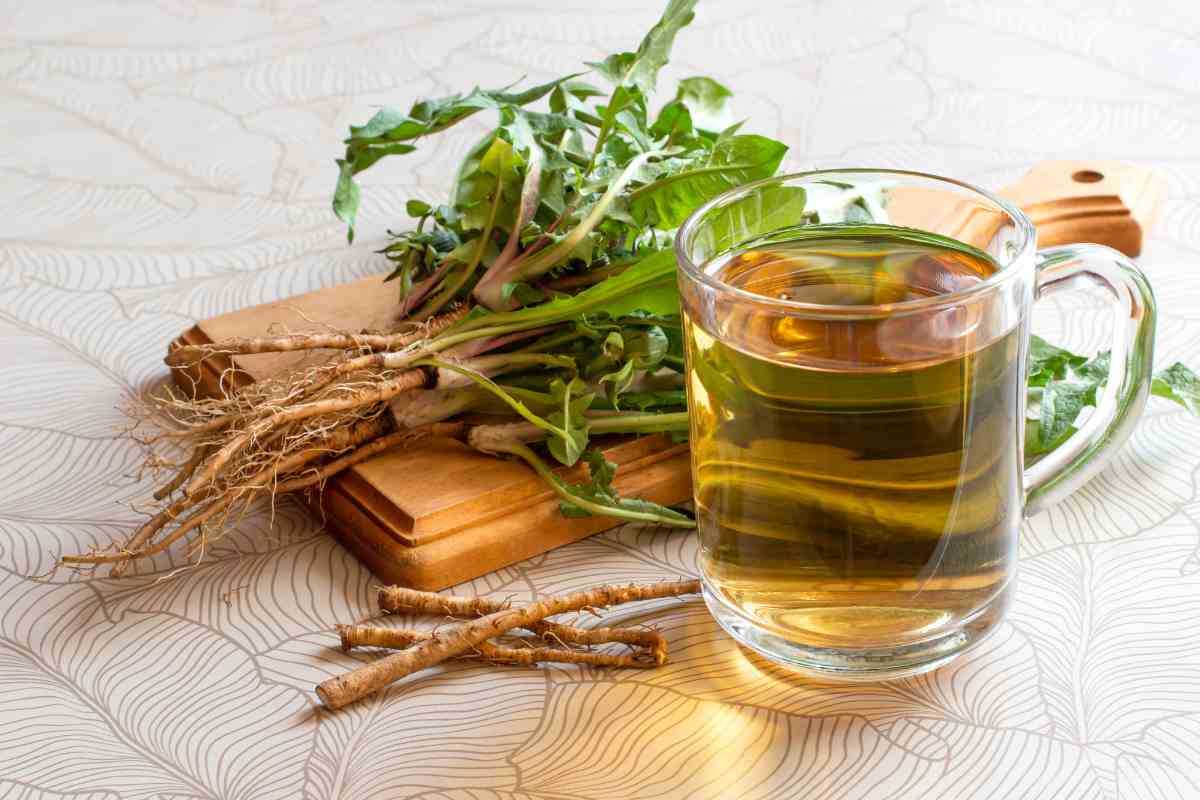
Benefits of roasted dandelion root tea include:
- Caffeine-free energy support
- Reduced coffee dependence
- Liver and digestive support
- Gentler impact on the nervous system
Many people take it as an alternative to coffee. Although it doesn’t taste exactly like coffee, it is still a bit close to it.
Can You Drink Dandelion Root Tea Every Day?
For healthy adults, yes, but it has to be in moderation.
Many people safely drink:
- 1 to 2 cups daily
- Occasionall,y up to 3 cups for short periods
Daily dandelion root tea may be helpful if you’re:
- Supporting digestion
- Reducing caffeine
- Managing mild water retention
However, daily use isn’t ideal for everyone.
Dandelion Tea Side Effects You Should Know
Natural teas also come with their own side effects. They are very potent and can be difficultto determine the right amount to consume. Possible side effects include:
- Stomach discomfort
- Increased urination
- Heartburn
- Allergic reactions (itching, rash, swelling)
If something feels off after drinking it, listen. That’s your body talking.
Dandelion Root Tea Effects on Medications
This part matters more than people admit.
Dandelion tea may interact with:
- Diuretics
- Lithium
- Blood thinners
- Certain antibiotics
If you’re on medication, it is important to speak to your healthcare provider before incorporating it into your diet.
How To Make Dandelion Tea at Home

How To Make Dandelion Leaf Tea
- Add 1–2 teaspoons of dried dandelion leaves to a cup
- Pour hot water over them
- Steep for 5–10 minutes
- Strain and drink
How To Make Dandelion Root Tea
- Use 1 teaspoon of dried, chopped dandelion root
- Simmer in water for 10–15 minutes
- Strain and enjoy warm
How To Make Roasted Dandelion Root Tea
- Prepare the same way as root tea
- Optional: add cinnamon, ginger, or oat milk
Who Should Avoid Dandelion Tea?
Dandelion tea may not be suitable if you:
- Are you pregnant or breastfeeding? Not enough information to determine if it is safe.
- Have gallbladder disease or gallstones
- Are allergic to ragweed or daisies. People allergic to these might also be allergic to dandelions.
- Experience ongoing digestive irritation after drinking it. That might be your body telling you to stop taking it.
Also read: From Goals to Gold: Football’s Richest Superstars in 2025
Final Thoughts: Is Dandelion Tea Worth Drinking?
Dandelion tea is not a quick fix for health issues and cannot replace medical care or a healthy lifestyle. See it as a gentle support for your health needs, especially for digestion and liver health. Hence, you might have to reconsider tossing away those weeds and get on the benefits it has to offer.