10 AI Trends Shaping Everyday Life and Work in 2026
AI in 2026 is another level. You wake up, scroll your phone, and AI has already:
- suggested what playlist you might like
- predicted the fastest route to work
- answered your question in the search before you got to the third link.
That’s not AI that does only basic tasks, requiring constant prompting or single commands. This is AI of 2026. The year feels like a pivot year. AI isn’t just about new features or buzz anymore; it’s about the impact in everyday life and in business.
Smartphones, laptops, websites, workplaces, and even apps you use daily, AI is already part of them. Companies today understand that AI is a no-brainer, and businesses that want to remain in the game are leveraging AI to work smartly, save time, and boost efficiency.
Smarter, proactive, more intuitive are here, and many more are brimming on the horizon. That is why we explore the top 10 AI trends that shape 2026, including your everyday lives and businesses.
Trend #1: AI Is Moving From “Tools” to Everyday Assistants
Remember when AI meant clunky software you had to ask for help? That’s changing fast.
Now, AI isn’t just something you open or requires text; it learns from you, anticipates your needs before they are fully articulated, and helps get stuff done. It’s less of “command line,” more “co-pilot.”

For instance:
- Your calendar might automatically reschedule meetings it predicts you’ll miss
- Email apps summarize long threads before you open them.
- Search engines give you quick summaries so you don’t have to click five links.s
Deloitte predicts that by 2026, AI-enhanced search will be used three times as often as standalone AI tools, because it feels more natural to users.
You don’t need a separate “AI” app to experience AI; it’s already part of what you do every day.
Also read: From Fame to Fortune How Celebrity Billionaires Built Lasting Empires
Trend #2: No-Code and Low-Code AI Is Exploding
Anyone can now build an application with little to no coding knowledge, thanks to AI. Some platforms now allow you to:
- create chatbots with drag-and-drop interfaces
- automate repetitive tasks without any programming knowledge
- design basic AI apps simply by connecting blocks
This trend, often called “no-code AI,” is literally bringing AI within reach of anyone with a laptop and a bit of curiosity. Businesses also love this because it lets employees solve problems without waiting for IT teams.
Hence. If you have a good idea, you can start building it this year without a tech degree.
Trend #3: Generative AI Is Going Beyond Text Into Images, Audio & Video
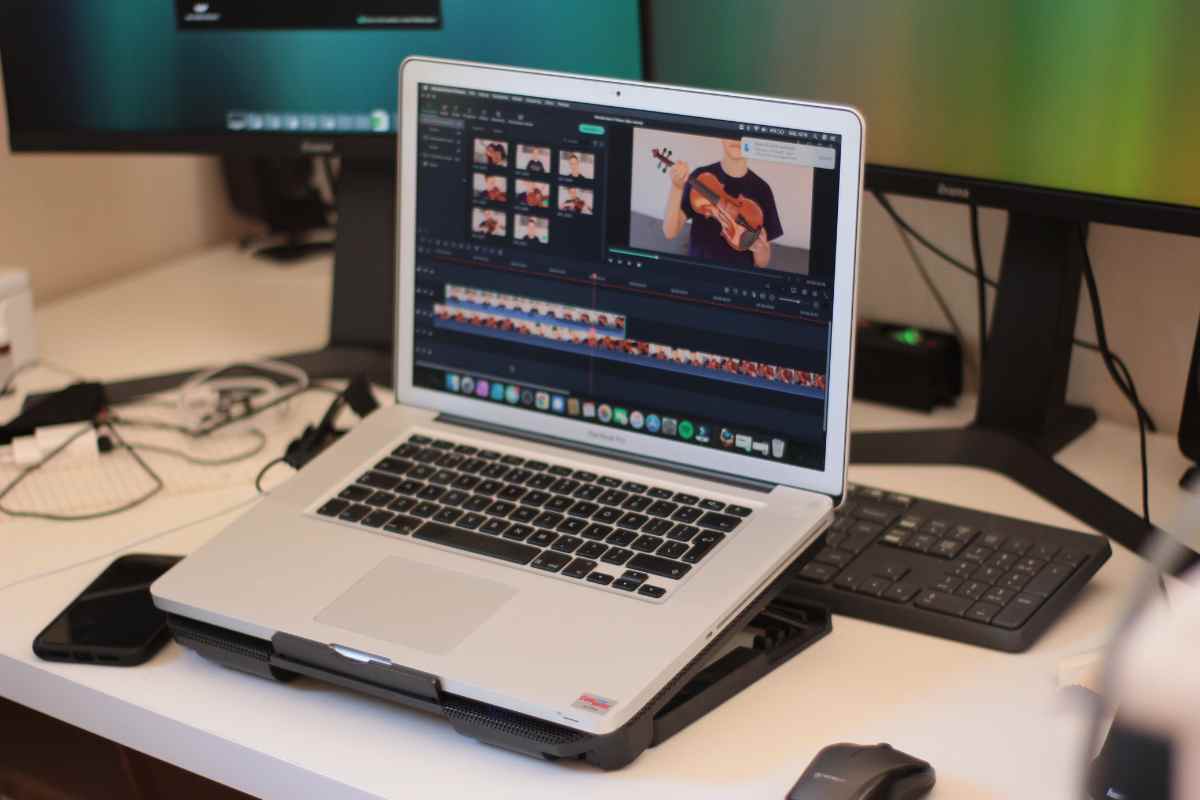
We all heard of AI text generation by now, but 2026 is the year it expands into:
- images
- music
- videos
- even 3D content
It will be able to :
- Create a short video from a simple prompt
- generate spoken audio for a script
- design visual content for social posts in minutes
Businesses use it for marketing. Educators use it for lessons. Creators use it to produce content without big budgets.
Analysts like Gartner have highlighted that this type of creative AI is one of the most impactful trends of 2026, because it allows many to be able to express their ideas online.
Also read: Daily Habits That Help You Live Longer and Stay Healthy
Trend #4: AI Is Becoming Personal and Context-Aware.
You might not see it, but AI is learning to remember preferences, understand context, and respond based on your habits.
For example:
- Your phone might suggest a message reply before you even start typing
- Your health app could nudge you at the right time based on routines.
- Your news feed learns what matters to you without being asked.d
That’s personalization. However, this involves a lot of your data, which is why regulations and control are important.
Trend #5: Autonomous AI Agents Are Changing How Work Gets Done
Agents are AI systems that don’t just answer questions; they do things for you.

You could ask:
“Plan my travel, schedule meetings, and draft follow-ups.”
And an agent would go do that, every detail of it. It’s like having a digital assistant that takes action, not just suggesting.
And Deloitte forecasts a growing market for this kind of “agentic AI” not decades away, but now, with potentially billions in value in the next few years.
This is a big deal because it changes AI from something you interact with to something that works with you.
Trend #6: AI Is Rapidly Reshaping Jobs
While some roles evolve or shift, new jobs are emerging too, especially ones that require creativity, empathy, and problem-solving with AI knowledge.
A Deloitte survey found that many companies are actually planning to expand teams because of AI, not shrink them, especially in areas like cybersecurity, customer experience, and AI governance.
So yes, jobs change. But “AI taking over everything” is not a guaranteed script.
Instead, people who learn to work with AI, not against it, will be in demand.
Also read: Kate Middleton’s Jewelry Collaboration: The Story Behind the Royal Touch in Jewelry Design
Trend #7: AI in Everyday Consumer Products
There is no doubt that you use AI multiple times a day without thinking about it.
Why?
Because AI is now inside:
- your phone camera
- your email filters
- Your shopping recommendations
- your music playlists
- your health apps
We’re reaching a point where AI isn’t something you open; it’s something that makes the tools you already use better.
That’s the big shift in 2026.
Trend #8: Ethical AI and Regulation Are Becoming Mainstream
As AI is everywhere, governments and companies are stepping in to make sure it’s used responsibly.
Rules concerning AI are not only set in Europe but also across the globe. The aim is to protect people’s privacy, data, and rights when AI is involved.
This trend is especially important because responsible AI is ethical
People care about how their data is used. It has to be fair and transparent; hence, ethical AI will remain paramount as AI integrates deeper into society.
Also read: Rachel Reeves’ Savings Tax Crackdown Could Quietly Shrink Your Paycheque
Trend #9: AI Learning Is Becoming Easier and More Accessible

There was a time when learning AI meant heavy textbooks and equations.
Not anymore.
In 2026, tons of beginner-friendly resources, some even free, will let you learn AI basics without hassle.
And with tools that let you practice hands-on, understanding AI concepts becomes way less intimidating.
The barrier to entry is lower than ever, which is exactly why you can start learning now, today.
Trend #10: AI Isn’t Just a Tech Skill, It’s a Life Skill
AI literacy is now the new digital literacy. As AI becomes an integral part of our lives and workplace, it goes without saying that everyone now has to be AI literate. Being AI literatehase become a requirement in job applications, with employers working towards upskilling their workforce. AI influences decision-making and problem-solving, and increases efficiency. That is why you need to know how to work with AI in 2026.
Also read: How Much Were Actors Paid for Stranger Things Season 5?
Conclusion
AI in 2026 isn’t about rocket science; it’s about real life.
It’s in your search results, in your email responses, in your phone, and in your work tools. This year will still usher in more updates in how AI is being used and their capabilities. Businesses that are quick adopt AI will maintain a competitive edge.