Mid-Pacific Turnaround: Why Delta Flight DL275 Diverted to LAX Instead of Tokyo
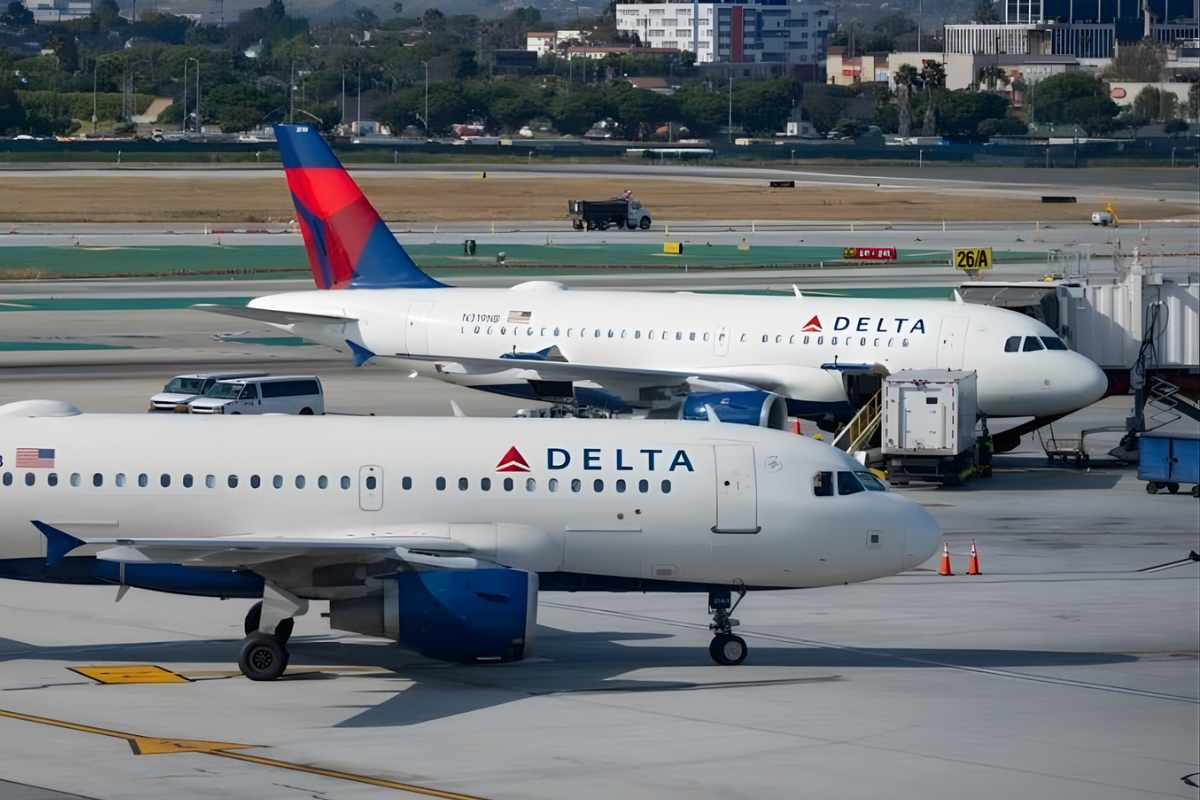
Delta Flight DL275 wasn’t just any flight.
It was a long-haul journey from Detroit to Tokyo’s Haneda Airport. One of those cross-Pacific trips where you settle in, maybe watch a couple of movies or perhaps just pretend to sleep and hope you do.
This flight usually takes about 13 hours. Big distance. Big skies. Big expectations. But this particular trip, well, it didn’t go as planned.
When Things Started to Go Sideways
About halfway across the Pacific, up above the cold blue nothingness of the Bering Sea, something happened.
The plane, an Airbus A350-900 (one of Delta’s newer wide-body jets), developed an issue with its engine anti-ice system. That’s a pretty important bit of kit on a long flight through freezing clouds.
Except for pilots, no one really wants to push an expensive aeroplane across an entire ocean with a system that helps keep engine parts from freezing up. Pilots may receive messages like ANTI-ICE FAIL or faulty engine indications. Continuing with the journey is a big risk that violates safety protocol.
So the crew made a call. A tough call and a necessary one at that. They turned that A350 around.
And rather than go back to Detroit, which would be logical, they headed for Los Angeles International Airport (LAX).
That’s not close to the Bering Sea. It’s basically the “middle-of-nowhere meets major gateway” choice.
But there’s a reason for it…
Also read: Luxury in Its Soft Era: Fashion Trends Defining 2026
Why LAX?
If you have an urgent technical problem, you want three things:
- A huge airport.
- Teams that can fix modern aircraft.
- Lots of places for passengers to be taken care of.
LAX ticks all those boxes. Big hangars. Big support. Big resources.
So even though it adds hours and miles, heading to Los Angeles made sense. It’s not the closest option, but for a gear-up, all-hands-on-deck situation, it’s a safe option.
What Was the Pilot’s Response Like?
We do not have all the details as Delta hasn’t published anything yet, but here’s what we can say:
- The flight crew spotted a technical issue and, without hesitation, decided not to continue to Tokyo.
- That’s exactly how pilots are trained; find the safest outcome and take it.
- Nothing gets taken lightly when you’re halfway across an ocean with hundreds of people on board.
Honestly, the silence that follows that announcement? It’s part relief and part nervous energy because you trust the professionals, but you’re also in an aeroplane with a tech issue.
And that’s a lot more concrete than “just turbulence.”
What Passengers Experienced
Now here’s the part that’s real: The passengers didn’t book a trip to Los Angeles at midnight, right?
Imagine this: you’re settled in. Maybe eating dinner. Maybe halfway through that movie you’ve been trying to finish.
Then boom, the captain comes on (calmly, probably), and says:
“Folks, we’ve got a situation, and we’re turning back. We’re heading into Los Angeles for your safety.”
There’s always a hush after that.
A few murmurs.
Some people just stare out the window at endless clouds, thinking about a late dinner now turned into… whatever you can find at LAX at 2 a.m.
And yet, in all reports, there are no injuries, no panic, no chaos.
Just an unexpected detour. Safe and steady.
Landing and Aftermath
After about five and a half hours of flying back toward the United States, that Airbus safely touched down at LAX, runway 0,6R in the early morning.
No dramatic fire crews waiting. No emergency slide rush. Just a big jet, rolling to a stop, with passengers relieved to be on solid ground.
Once on the tarmac:
- Delta cancelled the remainder of that Tokyo segment.
- Passengers were rebooked onto alternate flights.
- The aircraft spent about 18–19 hours on the ground while maintenance teams checked things out.
What Really Happened?
As said earlier, we don’t have every detail, for instance,
But this incident was likely one thing above all: it was a decision rooted in safety.
When you’re flying over thousands of miles of ocean, half a world away from help, the smart move is: Better to go back and fix it than to push forward and risk trouble. And LAX isn’t just big. It’s geared for stuff like this. Maintenance crews, parts, hotel rooms, night shift staff, it’s all there.
So the choice wasn’t random. It was strategic. Safe. Patient-centric.
Also read: How Much Were Actors Paid for Stranger Things Season 5? Inside the Final Payday
If You Were On That Flight
If you were on DL275 that night, you probably felt a jumble of things:
- A bit startled.
- A bit low-key, annoyed at the interruption.
- Maybe a touch grateful you weren’t still over the Pacific.
- Probably wishing there was coffee at 3 a.m.
That’s normal.
Aviation incidents like this don’t always make big headlines, but for the folks onboard, it’s a story they’ll remember.
And the good news? This one ended the way every passenger hopes it will: everyone safe, but just a longer ride than expected.