Rachel Reeves’ Savings Tax Crackdown Could Quietly Shrink Your Paycheque
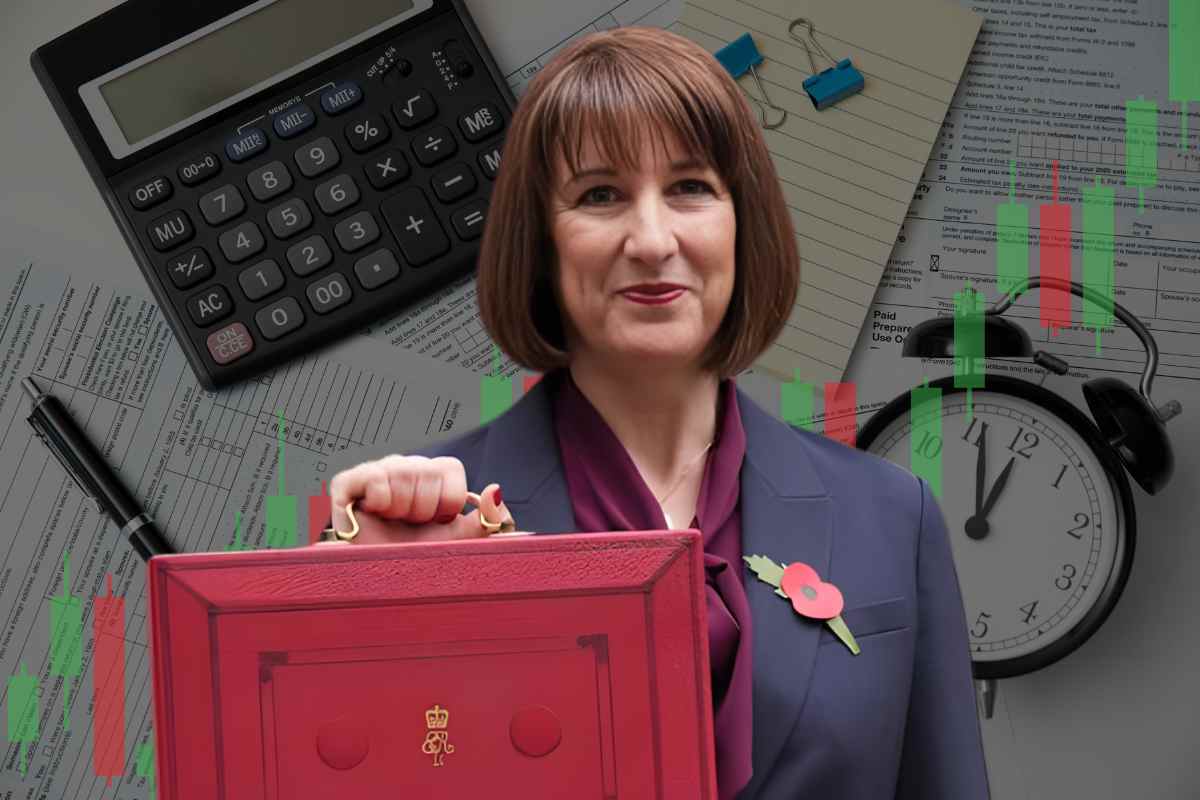
There’s this weird moment you’re checking your bank balance, you’re feeling pretty smug because you managed to stash some cash away, and then… bam. You realise the taxman wants a slice of your interest. That’s exactly the moment millions of people in the UK might start feeling the policy shift that Chancellor Rachel Reeves has quietly put into motion: a tax crackdown on savings accounts that could change the way everyday Britons think about their cash.
Let’s unpack this because this won’t just matter to bankers or policy wonks. This’ll affect your wallet.
So What’s Actually Changing?
Right now, if you’ve got money in a regular savings account, everyday stuff, you earn interest. Usually, that interest sits there, accumulating, and most people never see a penny of tax on it. There’s a thing called the personal savings allowance, which lets basic-rate taxpayers earn up to £1,000 in interest a year without tax. Higher-rate taxpayers get £500, and additional-rate taxpayers get nothing.
The thing is, interest rates have risen a lot in recent years. That means more people are sneaking over those allowances without realising it. And wages? Wages aren’t exactly soaring, but they’ve risen enough that a lot of folks get pushed into a higher tax bracket, which eats into that savings allowance too.
So Reeves and the Treasury asked a simple but powerful question: Why let interest go un-taxed just because HMRC lacks the visibility to collect it efficiently?
Their answer, in bureaucratese: give HM Revenue & Customs better data so it can collect tax owed on savings interest. Their answer is: HMRC is going to see and tax your savings interest more easily than ever before.
Also read: Why January Makes New Goals Feel Lighter Than the Rest of the Year
How Will That Actually Work?
Here’s where things get real and perhaps a bit intrusive.
Starting in 2027, banks and building societies will be required to ask people with savings accounts for their National Insurance numbers. They’ll send that info straight to HMRC. Why? So the tax authority can match interest earned with your tax records. No guesswork. No “oops, I forgot to tell HMRC about this.” It’s all automated.
And it doesn’t stop there. If you’re an employee on PAYE, that’s most of the UK workforce; HMRC may start adjusting your tax code so the tax on that interest will get taken off your wages throughout the year. That could mean a lower paycheck landing in your account each month.
Ouch. That’s the part that makes your stomach sink.
Why Now?
That’s the question everyone’s asking.
The answer is that the numbers have changed. These past few years have seen:
- Interest rates up.
- A lot more savings interest is being paid out.
- Personal allowances frozen in cash terms.
All of that means more people are crossing the threshold where they owe tax on interest, and HMRC can’t always see it right now.
An industry voice, Laura Suter, director of personal finance at AJ Bell, summed it up well:
“For years, most savers didn’t give a second thought to paying tax on their interest rates were low, and the Personal Savings Allowance offered a generous cushion. But the landscape has changed rapidly… many are now being pulled into the tax net for the first time.”
That’s the heart of it: rising interest means more tax, and without these changes, HMRC can’t consistently track that tax. The drive for better data is partly about fairness, making sure everyone pays what’s due, but it’s also about revenue. And with government finances strained, every pound counts.
What it Means to People
And here’s the thing: a lot of people think of savings as something almost sacred, like hard-earned money you tuck away for a rainy day, for security, or for dreams. You’re not talking about yachts or offshore accounts, you’re talking about your kids’ university fund, your emergency cushion, your retirement stash.
So yeah. It feels different when policy shifts, and the ground starts nibbling at that.
There’s a real human emotion here, and it’s in all the reactions you’ve heard, from social media to comment sections: “Wait… I thought interest meant I got money. Why am I seeing less?” It’s confusion, it’s frustration, and for some, it’s downright resentment.
Who’s More Affected?
Not everyone. If you’re savvy enough to use Cash ISAs savings accounts where interest is tax-free up to £20,000 a year, you’ll be shielded. That won’t change.
But if you’ve got:
- regular savings accounts,
- bank accounts paying decent interest,
- or just didn’t bother shifting into ISAs…
Then you’re the group that’s likely to feel it first. Especially if you hadn’t realised your interest was tipping you over the personal savings allowance.
For some people, that’s never a big amount; it might be a few pounds or tens of pounds a year. But for others? Especially with interest rates higher than they were a few years back, it could be a noticeable chunk.
What Does Reeves Mean
This isn’t a headline-grabbing, glitzy tax giveaway. It’s a bureaucratic tweak, but one with real people implications.
From Treasury briefings and statements, you get a sense she sees this as:
- closing loopholes,
- modernising tax collection,
- and levelling the playing field so that interest income isn’t treated differently from other types of income.
And from the HMRC side, spokespeople have said the reforms are there to help taxpayers get it right first time, so fewer surprises and fewer penalties later on.
That’s the theory. But you’ll hear sceptics in the comments often quick to say, “This is just a stealth tax raid!” Every time your pay packet is a few pounds lighter.
So What Should Savers Do?
Here’s the practical bit, and yes, it’s the bit people actually care about:
- Check if you’re over your personal savings allowance. If you are, you might owe tax.
- Think about shifting to a Cash ISA if you can. Those earnings stay tax-free.
- Update your bank details when asked for your National Insurancenumberr it’ll make HMRC’s matching easier.
No one’s saying this is going to break the budget of your household. But it’s also nothing.
Also read: Get to Know Francesca Nora Bateman, Jason Bateman’s Eldest Daughter
Bottom Line
Policy isn’t abstract. It lands in people’s lives, sometimes quietly, sometimes with a thump. And this tax crackdown on savings sits somewhere in between. It doesn’t feel dramatic at first glance. But when you see that line in your pay slip shrink, well, suddenly it feels very real.
Because it’s not corporate tax we’re talking about. It’s your savings. And that’s why it matters.