Signs You Grew Up With Ehlers-Danlos Syndrome Without Knowing It
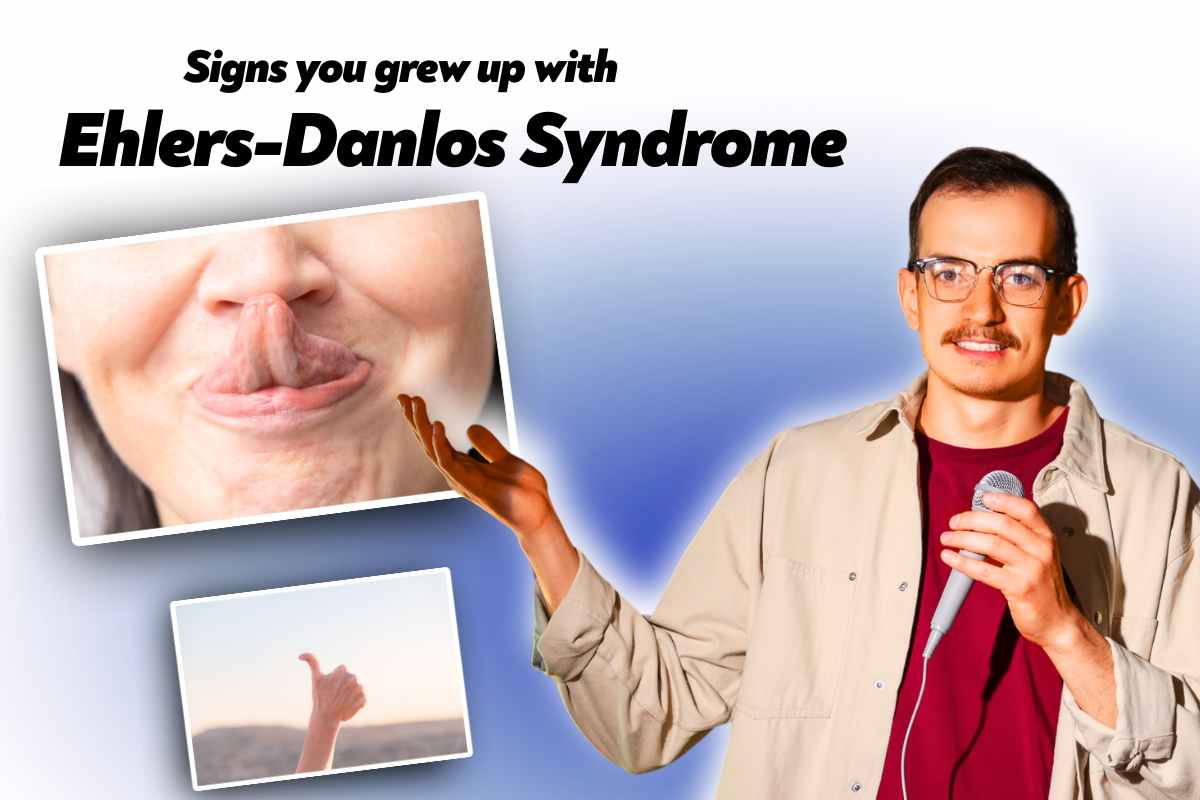
A lot of people don’t discover they have Ehlers-Danlos syndrome (EDS) as kids. They live it first. They grow up in it. They adapt. Normalize. Push through. And only later, sometimes decades later, do they finally get a name for what’s been quietly shaping their entire life.
Let’s talk about what Ehlers-Danlos syndrome really means, and the signs you may have grown up with it without realizing.
First, what is Ehlers-Danlos syndrome?
Ehlers-Danlos syndrome isn’t one single condition. It’s a group of genetic connective tissue disorders.
Connective tissue is basically the body’s scaffolding. It holds things together. Skin. Joints. Blood vessels. Organs. Ligaments.
In people with EDS, that scaffolding doesn’t work the way it should. Most people are built with strong, slightly stretchy elastic bands. People with EDS are built with bands that stretch too much and don’t snap back properly.
So things move more than they should. Tears more easily. Get injured faster. Heal slower.
And when you’re a kid? You don’t think, “Ah yes, my collagen is faulty.” You think, “Why does my body hurt when everyone else seems fine?”
Also read: The Biggest Mistakes People Make Every New Year (And How to Avoid Them)

Signs You Grew Up With Ehlers-Danlos Syndrome
Here are 15+ signs that often show up in childhood, long before anyone says the words “Ehlers-Danlos syndrome.”
Not everyone has all of them, but patterns matter.

1. You Were Called “Double-Jointed.”
You could bend your fingers backward.
Pop your shoulder out and back in.
Do party tricks that made adults gasp and laugh.
“Wow, you’re so flexible!”
“You should do gymnastics!”
“Show them that thing with your knees!”
Here’s the thing.
That flexibility wasn’t a talent., it was instability.
As a child, you may not have realized that joints aren’t supposed to slide around that freely. You just knew your body moved differently. More. Too much.
And sometimes it hurt.
But you didn’t complain, because everyone told you it was a gift.
It wasn’t.
2. Injuries Happened Too Easily
You sprained ankles from walking. Dislocated shoulders from reaching. Pulled muscles doing ordinary things.
And the injuries took forever to heal.
You weren’t careless. Your connective tissue just didn’t protect you the way it should.
3. “Growing Pains” That Never Really Left
Leg pain at night. Aching knees. A sore back before your teenage years.
It was always chalked up to growing pains.
But real growing pains come and go. Yours stayed.
4. You Felt Pain Earlier Than Other Kids
Pain wasn’t something that showed up in adulthood for you. It was already there—quiet, persistent, familiar.
You learned early how to tolerate discomfort.
5. Bruises Appeared Out of Nowhere
You’d find bruises and honestly not remember how they got there.
Your skin marks easily. Sometimes dramatically.
And explaining it to adults felt uncomfortable, so eventually, you stopped trying.
6. You Were Always Tired
Not sleepy tired.
Heavy tired.
The kind that made school days feel long and physical activity feel overwhelming. Rest helped, but never fully. You wondered how other kids had so much energy.
7. Your Body Felt Fragile
You were careful in ways other kids weren’t.
Careful how you sat, how you landed, how you carried things.
Not because you were anxious, but because experience taught you to be.
8. Sports Were Complicated
You might’ve been flexible enough to excel… briefly.
But injuries followed. Pain flared. Recovery lagged.
Eventually, your body asked for limits even when your mind wanted more.
9. Your Skin Was “Different”
Maybe it was unusually soft. Or stretchy. Or slow to heal.
Scars might’ve looked thin or wide or strange.
It didn’t seem important at the time. Later, it made sense.
10. Digestive Issues Started Young
Stomach aches that didn’t have a clear cause. Food sensitivities. Bloating. Constipation. Nausea.
You were told you were picky. Or anxious.
But your gut was already part of the story.
11. You Felt Dizzy Standing Up
Standing too fast made the room spin. Hot weather drained you. Your heart raced for no obvious reason.
You didn’t know it then, but many people with EDS also deal with nervous system issues.
Again, dots that no one connected.
12. You Were Labeled “Sensitive”
Sensitive to pain. Sensitive to stress. Sensitive to everything.
That word followed you around.
But sensitivity wasn’t the problem. Unrecognized physical differences were.
13. Doctors Didn’t Have Answers
Tests came back normal. Exams looked fine.
So explanations shifted.
“It’s anxiety.” “It’s hormones.” “You’ll grow out of it.”
You didn’t grow out of it, instead, you grew older with it.
14. You Learned to Push Through
You went to school hurt. You showed up tired. You did what was expected anyway.
Not because it was easy, but because you thought it was normal.
That resilience? It came at a cost.
15. You Felt Relief When You Finally Learned About EDS
If you’ve been diagnosed or even just started learning about Ehlers-Danlos syndrome, there was probably a moment of quiet recognition.
This explains so much.
Not fear but validation.
16. Looking Back, Everything Connects
The pain. The fatigue. The injuries. The confusion.
They weren’t random.
They were early signs.
Why Growing Up With Undiagnosed EDS Matters
When Ehlers-Danlos syndrome goes unrecognised in childhood, people often grow up blaming themselves for symptoms they couldn’t control.
They learn to minimise pain. To doubt their bodies. To explain away very real limitations.
Understanding the signs now isn’t about reliving the past.
It’s about reframing it.
With knowledge. With compassion. With relief.
Also read: Ana de Armas’ Net Worth, Career, and How She Built Her Fortune
Conclusion
If you grew up with Ehlers-Danlos syndrome, you didn’t just grow up flexible or accident-prone or tired.
You grew up adapting, learning, enduring, adjusting. And that deserves recognition.
Not because you’re broken. But because you’ve always been carrying more than most people realise.
And now, you finally have a name for it.