Should the UK Ban Social Media for Under-16s? Lessons From Australia’s Bold Experiment
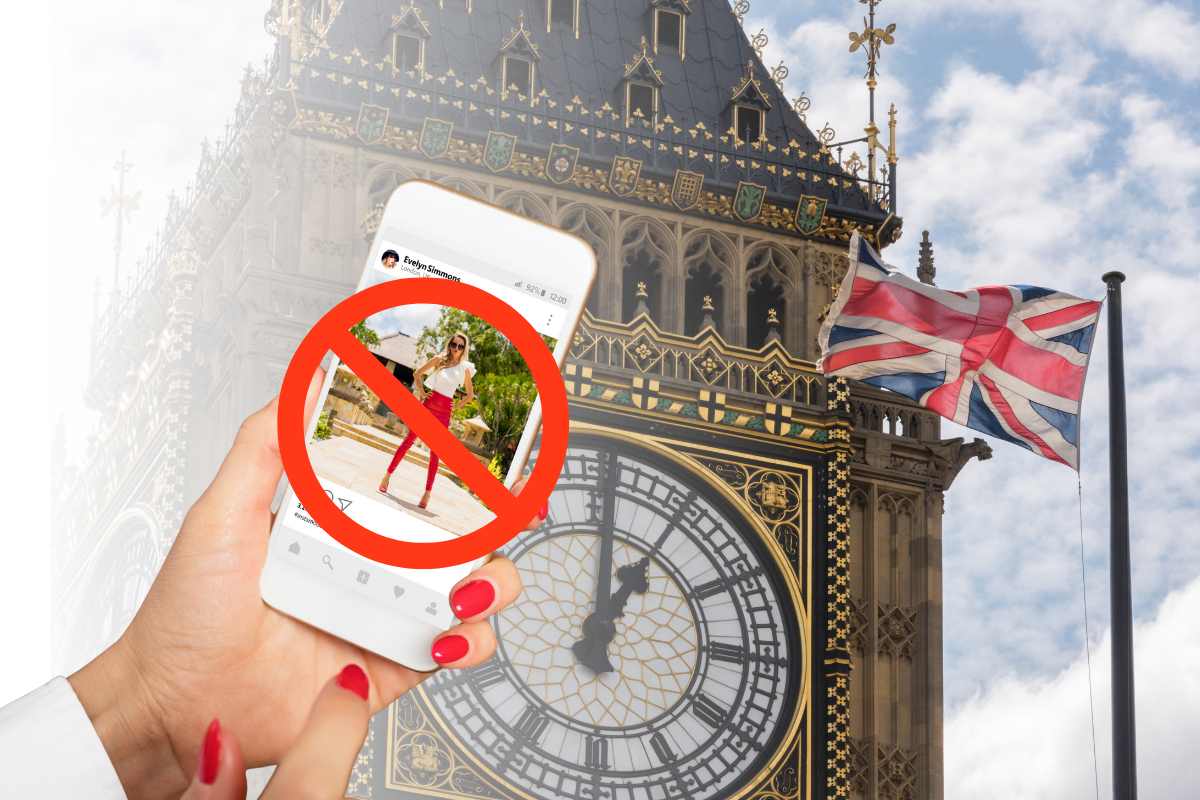
You’ve probably heard the news that Australia has just become the first country in the world to ban under-16s from holding social media accounts on major platforms like TikTok, Instagram, Facebook, Snapchat, YouTube, X (formerly Twitter), Reddit, Twitch, Threads and Kick.
Now, before we dive into the UK angle, let’s sit with that for a second. It’s weird, right? Weird and bold.
That means no posting. No commenting. No messaging. If you’re 15 and Australian, you can still view some content without an account on certain platforms, but the moment you want to interact? That’s a no-go.
And I know what you’re thinking: “That sounds almost impossible in practice” We’ll get there.
So What Exactly is Australia’s Ban?
Okay. Here’s the nutshell version:
- The ban came into force in December 2025.
- It’s technically framed around age-restricted accounts. Platforms must take “reasonable steps” to prevent under-16s from having them, or face fines of up to about AUD $50 million.
- Platforms aren’t allowed to let under-16s create or keep accounts.
- Kids can still see public content on some sites without an account, but they can’t engage.
- Some messaging and gaming services aren’t expected to be included right now.
Australia’s e Safety Commissioner argues this delay gives kids more time to build digital skills and resilience before diving into the social world online.
And that’s the main thing, protecting young people from psychological harms critics say are tied to endless scrolling, comparison, cyberbullying and the addictive design of social platforms.
Also read: Can AI Replace Human Writers in 2025?
But, How do They Know Someone is Under 16?
Platforms will use a mix of age-verification tech, things like AI facial analysis, optional ID checks, and other signals to estimate and verify users’ ages.
And there’s the rub: you can’t force someone to upload an ID. You can’t compel kids’ parents to verify them. So there’s going to be fuzziness. Mistakes. Workarounds. People on Reddit are already talking about it. Some say the ban is “laughably bad” or easy to circumvent; kids will just go to VPNs or lesser-known platforms.
So even in Australia, the ban isn’t this perfectly enforceable golden law. More like… a bold experiment with blind spots.
UK. What’s Happening Over There?
In the UK, the idea of a social media ban for under-16s isn’t just a random conversation; it’s actually being talked about at high levels.
There’s a big petition that pushed MPs into debating whether to “introduce 16 as the minimum age for children to have social media,” and it got over 127,000 signatures.
The UK government has said it’s not currently minded to support a ban like that yet.
And while some people, parents especially, are calling for stricter rules to protect kids, child safety experts in the UK have warned against an Australia-style ban, calling it a “retrograde step” that might “do more harm than good.”
So unlike Australia, the UK isn’t rushing to copy the blueprint.
Let’s Explore The Big Questions
This isn’t just a policy; this is about families and kids.
1. Is Social Media Harmful For Kids?
There’s no doubt that social media can be rough on young minds. Studies link heavy use to worse sleep, anxiety, low self-esteem, and bullying. The pressure to compare yourself to filtered lives? Many parents see this every day.
So on one hand, giving young people a buffer, some breathing space, could be wise.
2. But is a Total Ban The Right Solution?
This is where things get messy.
Critics of Australia’s ban (including some human rights advocates) point out that social media also gives kids:
- a voice
- a sense of community
- connection with other teens who feel different or isolated
- access to educational and civic conversations
These aren’t trivial. For some teenagers, online communities are lifelines.
Limiting access could raise isolation, especially for groups who don’t feel safe offline or in their immediate communities.
3. Will Banning it Even Work?
Let’s be honest, kids are clever.
If you block them on the mainstream platforms, they’ll find other corners of the internet. Smaller apps. VPNs. Backdoor spaces. Some are more dangerous because they aren’t moderated at all. Critics warn the ban could push young people into the dark web or unregulated spaces where risks are even higher.
So there’s a serious “unsupervised detour” risk.
4. What About Education And Parental Responsibility?
Most experts, even those worried about harm, suggest something that doesn’t involve government-level bans.
Better digital literacy. Better tools for parents. Stronger regulation of harmful content. Mandatory safety standards for platforms. These measures try to protect kids without erasing their access to the modern world.
In fact, a youth-focused report in the UK said banning wouldn’t be practical or effective, and instead called for greater accountability from tech companies and youth involvement in shaping those rules.
Kids and teens aren’t stupid; they want guidance, not exclusion.
So, Should The UK Do It?
Here’s where I want to be honest with you:
There’s no perfect answer.
Real harms are happening online. There are real voices of kids who feel crushed by comments, comparisons, bullying, addiction and pressure.
And there are real voices of kids who feel connected and heard in ways the offline world never gave them.
A blanket ban feels like the bluntest instrument you could swing. It feels protective like a parent putting training wheels on a bike, but it might also keep young people off the bike entirely, without teaching them how to ride.
The UK could easily learn from Australia’s bold move, the good, the messy, the unforeseen consequences and try something more balanced.
Here’s what might work better:
- Stronger age verification that’s secure and privacy-protective
- Mandatory safety standards for platforms, no more loopholes
- Better digital education in schools and homes
- Youth input into the rules that affect them
- Limits on addictive design features (notifications, infinite scroll, etc.)
Not a ban but a responsible system.
Also read: Mayci Neeley, Arik Mack, and the Love That Changed Her Life
Final Thought
If we love kids, we should definitely protect them. But we should also trust them to grow, to learn, to navigate, to stumble, and to succeed.
The question isn’t just whether young people can be online safely, it’s whether society trusts them to be part of the world they’re growing into.
Should the UK implement a youth social media ban? Share your thoughts below.