Neuromorphic Computing: The Brain-Inspired Technology Shaping the Future of AI
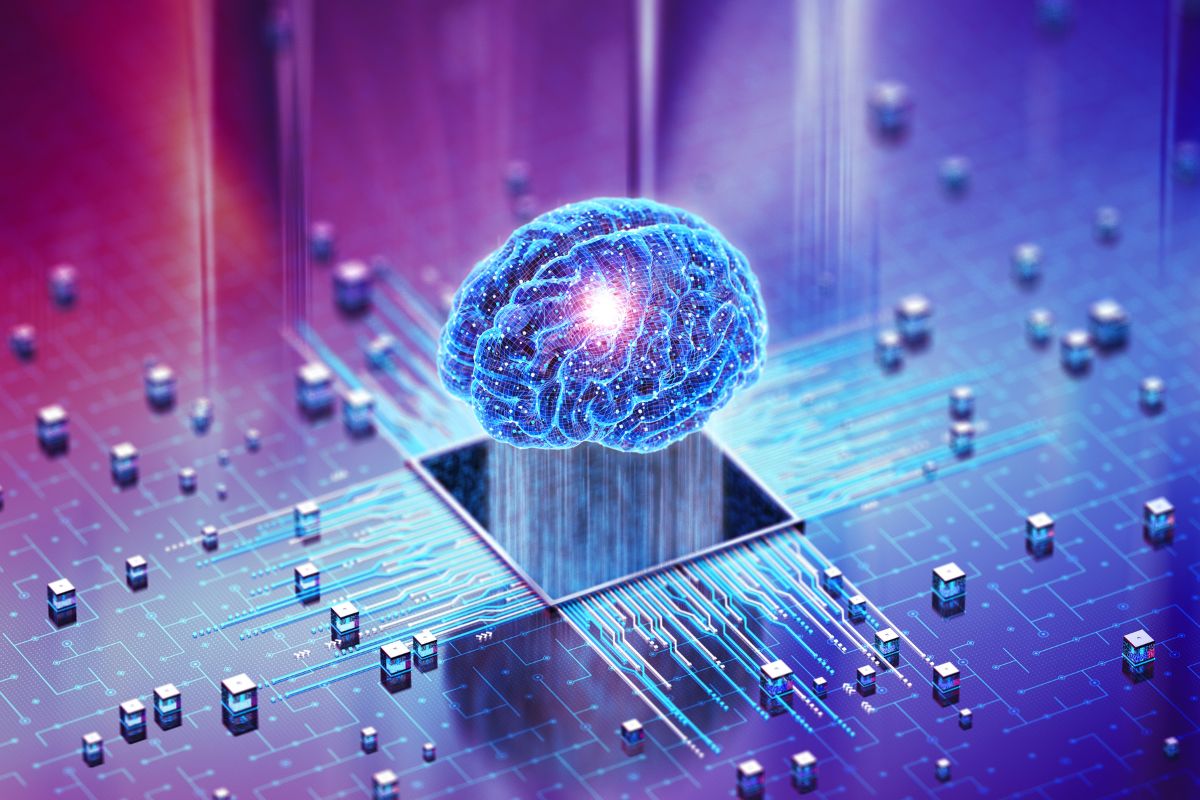
If you’ve ever wondered why your brain can do a million things at once such as solve problems, remember faces, make split-second decisions, and still remind you that you’re hungry, it all comes down to one thing: the way it’s wired. And that’s exactly what neuromorphic computing tries to copy.
Neuromorphic computing is one of the most interesting things happening in the world of technology. I mean, a next generation of commuting that mimics the human brain. It is a field that is between neuroscience and computer engineering. Let’s look into what it entails in a simple way including the application, advantages and disadvantages.
Understanding Neuromorphic Computing
Neuromorphic computing is basically the world’s attempt to build computers that behave more like the human brain. Not faster versions of laptops. Not bigger data centers with blinking lights. But machines that learn, adapt, and respond the way living brains do.
Your brain is made of about 86 billion neurons. Tiny cells that talk to each other through connections called synapses. Electricity, chemicals, signals, and patterns.
Neuromorphic systems try to recreate that using electronic components.
But instead of regular circuits, they use special chips designed to mimic neurons and synapses. These chips don’t follow the traditional “fetch data to process, store, fetch again” routine. They work more humanely.
They respond instantly. They learn from patterns. They adapt when something changes. They remember in a fluid, organic way.
The neurological and biological mechanism makes use of spiking neural networks(SNN). This is what makes it process and hold data like biological neurons.
Also, it moves beyond the rigid, step-by-step logic that has been a major problem in computing for decades and opens the path to machines that can handle complex information using less energy.
Also read: How to Start a Successful Heating & Air Conditioning Business
Why Neuromorphic Computing?
Neuromorphic Computing might sound new to you, but it isn’t today. It dates back to the 1980s and has ever since undergone various research and results.
One of the problems technology comes with is data overload. Every photo uploaded, every video streamed, every sensor in your phone, every smart doorbell in your neighborhood, every app tracking your sleep, it all generates insane amounts of information.
Traditional computers weren’t built for this world. They’re powerful, sure, but they burn a ton of energy and hit speed limits pretty fast. Moreover, they struggle with tasks the human brain handles effortlessly, such as pattern recognition, perception, context awareness, and learning in real time.
Our brains? They run on the equivalent of a tiny light bulb. And they still outperform supercomputers in anything that requires instinct, learning, or context.
So of course, researchers thought:
“Why don’t we build machines that operate more like human brains? “
Neuromorphic computing is the answer to that question. It uses networks of artificial neurons that can adapt, learn, and behave like biological systems. Therefore, it’s inherently more suited for workloads that involve perception, sensory data, or constant adaptation.
What Makes It So Different?
Here are why neuromorphic computing is important:
1. It Learns on the Go
Traditional computers need full training, structured data, and careful tuning. Neuromorphic systems can learn as patterns appear.
2. It’s Energy-Efficient
Brains don’t overwork. They fire only the neurons needed for each moment. Neuromorphic chips do the same. They activate selectively, saving power.
3. It Handles Real-World Chaos Better
Your brain doesn’t crash when it sees a blurry image. Or when someone says a word slightly differently. Neuromorphic systems handle noise and incomplete data far more gracefully than regular computers.
4. It Processes Information in Parallel
Humans think in layers. We multitask constantly. Neuromorphic chips share that ability. Everything fires at once, not in a long line of steps.
Where Neuromorphic Computing Will Be Used
This is still an emerging field, and there is no real-world application yet. However, any field that relies on rapid, adaptive processing can benefit, and it is expected to be used in:
Smarter Robots
Robots that move with the natural grace of animals, not the stiff motions of machines. Robots that learn environments without needing millions of training examples.
Better Healthcare Devices
Think of tiny sensors inside the body that can understand and react to signals instantly without draining batteries or needing constant updates.
More Human-Like AI Assistants
Not just chatbots. More like companions that understand tone, mood, intention, and nuance.
Next-Level Security Systems
Devices that recognize patterns, including voices, footsteps, and faces, even in imperfect conditions. Hence, they can strengthen surveillance, anomaly detection, and cybersecurity tools.
Brain-Inspired Chips in Everyday Gadgets
Phones that process information locally without sending everything to the cloud. Cars that react faster than humans can blink. Wearables that understand your habits better than you do.
It’s not sci-fi anymore. Neuromorphic chips already exist, although they’re still early, still under research.
Challenges
Whenever something new feels groundbreaking, there’s always an urge to believe it’ll fix everything. But neuromorphic computing has its hurdles.
1. New Programming Models Are Needed
Because neuromorphic chips don’t behave like traditional processors, developers need new ways and tools to program these chips.
2. Hardware Is Still in Early Stages
While major companies have built neuromorphic processors, they’re not yet widely available or standardized.
3. Not Every Problem Fits the Model
For simple arithmetic or business software, traditional computers remain better suited.
4. Integration Takes Time
Adopting a completely new computing will require changes across the whole system from hardware manufacturers to software developers.
So neuromorphic computing won’t replace traditional computers. It’ll complement them. A new kind of tool for problems our old tools struggle with.
Also read: From Idea to Impact: A Practical Roadmap to Growing Your Startup Successfully
In Summary
Neuromorphic computing is an approach that is inspired by the brain aimed at building machines that learn, adapt, and process information more naturally. It moves away from the rigid structure of traditional computing and toward systems that:
- operate in parallel
- use far less power
- learn from patterns
- handle real-world complexity
- and make decisions rapidly
Therefore, it represents a significant step in intelligent systems. As industries push for more efficient, more adaptive, and more perceptive technology, neuromorphic computing is positioned to become one of the foundations of future innovation.